SURGICAL MOLE REMOVAL AT VILVA COSMETICS
Surgical mole removal is a common procedure for removing moles that are cosmetically bothersome, painful, or medically concerning. This minor surgical procedure, performed by our expert dermatologists and plastic surgeons, involves the precise excision of the mole to ensure complete removal. At Vilva Cosmetics, we prioritize your safety and aesthetic outcome, providing a thorough examination and a meticulous procedure to minimize scarring and restore smooth, clear skin.
Mole Removal at Vilva Cosmetics
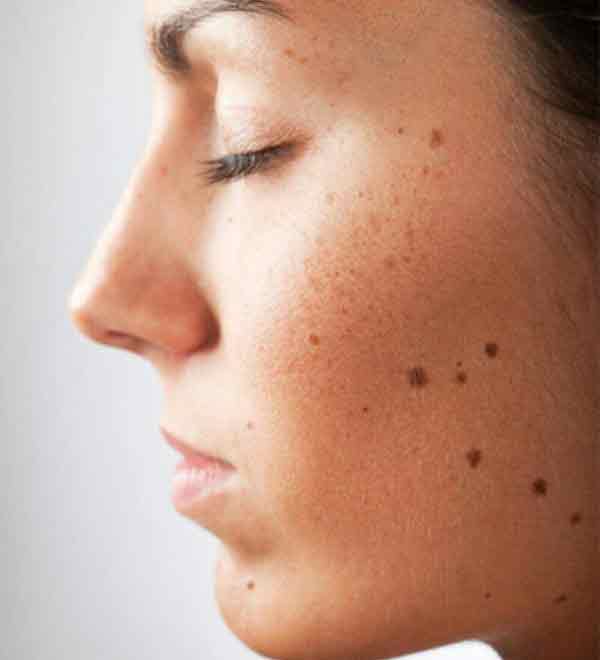
Moles can vary in size, color, and location, and while most are benign, some may require removal for cosmetic reasons or to be biopsied for signs of malignancy. Surgical excision is the most definitive method of removal, especially for larger or deeper moles, ensuring the entire mole is removed and can be sent for pathological analysis if needed.
During your personal consultation at Vilva Cosmetics in Erode, our specialists will carefully assess your mole(s) and recommend the most appropriate removal technique. They will discuss the procedure, expected outcomes, and aftercare, ensuring you are fully informed and comfortable with your treatment plan.
Surgical Mole Removal Details
Procedure Time
15 - 30 Minutes per mole
Anaesthesia
Local Anaesthesia
Nights In Hospital
Not Required (Day Case)
Pain And Discomfort
Minimal (2-3 days)
Risks - Common
Minor bleeding, bruising, temporary redness, small scar
Risks - Uncommon
Infection, prominent scarring (keloid), nerve damage, recurrence of mole
Follow-Up Appointments
1 - 2 weeks (for suture removal)
Time Off Work
0 - 1 Day (depending on location)
Sports And Exercise
Avoid for 1-2 weeks (depending on location)
Result
Immediate removal, with final scar appearance maturing in 6-12 months.
Why Choose Surgical Mole Removal?
Surgical excision is often the preferred method for mole removal for several key reasons:
- To ensure the entire mole is removed, reducing the chance of recurrence.
- To allow for a biopsy of the mole, which is crucial to rule out malignancy (skin cancer).
- To effectively remove larger or deeper moles that other methods cannot address.
- To achieve a more predictable and aesthetically pleasing scar compared to other techniques.
- To remove moles that are irritated by clothing or shaving.
FREQUENTLY ASKED QUESTIONS – SURGICAL MOLE REMOVAL
How is a mole surgically removed?
A surgical mole removal involves numbing the area with local anaesthesia, followed by the surgeon using a scalpel to carefully cut out the mole and a small border of surrounding skin. The incision is then closed with stitches.
Will it leave a scar?
Yes, any surgical incision will leave a scar. Our surgeons use advanced techniques to minimize scarring, and the resulting scar is usually a thin, fine line that fades over time. Scar appearance can vary based on the mole's size, location, and your skin's healing process.
Is the procedure painful?
The procedure itself is painless as the area is numbed with local anaesthesia. You may feel a slight pinch during the initial injection. After the anaesthesia wears off, you may experience some minor discomfort, which can be managed with over-the-counter pain medication.
How long does recovery take?
Recovery is typically very quick. The surgical wound will take about 1-2 weeks to heal, at which point stitches are usually removed. It's important to keep the area clean and protected during this time to ensure proper healing.
Can I drive home after the procedure?
Since local anaesthesia is used and there is no sedation, most patients can drive themselves home after the procedure. However, if the mole is located on a sensitive area or if you are feeling unwell, it's always best to have someone else drive you.
RISKS AND COMPLICATIONS
What are the possible risks?
Risks include minor bleeding, bruising, and infection. There is also a risk of the scar being more prominent than desired, or a small chance of nerve damage depending on the location of the mole. These risks will be discussed in detail during your consultation.
AFTERCARE
What is the aftercare for mole removal?
You will be given specific instructions, which typically include keeping the wound clean and dry, changing dressings as directed, and avoiding strenuous activity or stretching of the skin around the incision. You should also avoid sun exposure on the healing scar to prevent hyperpigmentation.
Pre-Operative Instructions – Surgical Mole Removal
One Week Before Surgery
- Stop taking aspirin, ibuprofen, and other blood-thinning medications as directed by your doctor.
- Avoid herbal supplements like ginseng, garlic, vitamin E, and fish oil.
- Inform your doctor if you have a history of keloid scarring.
Day Before Surgery
- Avoid alcohol for at least 24 hours before your appointment.
- Ensure you have a way to cover and protect the surgical site after the procedure, especially if on a high-friction area.
Morning of Surgery
- Wash the area thoroughly with soap and water, but do not apply any makeup, lotions, or creams to the treatment site.
- Wear loose, comfortable clothing that won't rub against the area.
- Eat a light meal before your appointment.
Medications & Lifestyle
- Continue prescribed chronic medications only if approved by your doctor.
- Inform your doctor immediately if you feel ill (e.g., have a cold, flu, or fever).
Post-Operative Instructions – Surgical Mole Removal
Wound Care & Hygiene
- Keep the wound clean and dry for the first 24-48 hours, or as directed by your doctor.
- Change the dressing daily with a fresh bandage to prevent infection.
- Avoid swimming, soaking in a bath, or using hot tubs until the stitches are removed and the wound is fully healed.
- Do not apply any creams, lotions, or ointments to the incision unless directed.
Activity & Lifestyle
- Avoid strenuous exercise and heavy lifting for 1-2 weeks.
- Limit activities that could stretch or put tension on the wound, as this can worsen scarring.
- Protect the area from direct sun exposure for at least 6 months to prevent hyperpigmentation of the scar. Use sunscreen once the wound has fully closed.
Medications & Pain
- Take over-the-counter pain relievers like acetaminophen (paracetamol) if needed. Avoid ibuprofen or aspirin unless approved by your doctor.
- Contact your doctor immediately if you experience signs of infection, such as increasing redness, swelling, warmth, or pus from the wound.
Stitch Removal & Recovery
- Attend your follow-up appointment as scheduled for suture removal (typically 1-2 weeks).
- The area may be red and slightly raised at first. This is normal and will fade over time.
- Massage the scar gently with a moisturizer after the stitches are removed, as advised by your doctor, to help with scar maturation.
Mole Removal
At Vilva Cosmetic Science and Speciality Centre, our surgical mole removal provides safe, precise, and effective results, restoring smooth and natural-looking skin.
Before
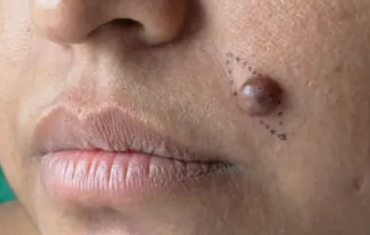
Visible mole before surgical removal procedure.
After
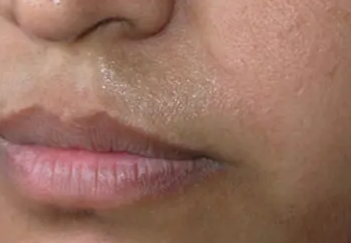
Clear, scar-minimized skin following removal.