CLEFT PALATE REPAIR AT VILVA COSMETICS
Cleft Palate Repair is a crucial surgical procedure performed to correct an opening in the roof of the mouth, known as a cleft palate. This congenital condition occurs when the tissues of the palate don't join completely during fetal development. At Vilva Cosmetics, our specialized surgeons are dedicated to providing comprehensive care, aiming to restore normal function for speech, feeding, and hearing, while also improving the aesthetic appearance.
Cleft Palate Repair at Vilva Cosmetics
The procedure involves carefully closing the opening in the palate, which can significantly improve a child's ability to eat, speak clearly, and prevent ear infections and dental issues. Our team approaches each case with utmost precision and compassion.
During your personal consultation at Vilva Cosmetics in Erode, our expert plastic surgeons will thoroughly assess the condition, discuss the surgical plan, and address any concerns you may have. We are committed to guiding families through every step, ensuring the best possible outcome for your child's health and development.

Cleft Palate Repair Surgery Details
Procedure Time
2 - 3 Hours
Anaesthesia
General Anaesthesia
Nights In Hospital
1 - 3 Nights
Pain And Discomfort
1 - 2 Weeks (managed with medication)
Risks - Common
Swelling, minor bleeding, temporary discomfort, nasal discharge, minor wound separation
Risks - Uncommon
Infection, fistula formation (re-opening), speech problems, velopharyngeal insufficiency, aesthetic issues
Follow-Up Appointments
1 week, 1 month, 3 months, 6 months (and ongoing as needed)
Time Off School/Daycare
2 - 3 Weeks
Activity Restrictions
Avoid objects in mouth for 4-6 weeks, soft diet for several weeks, gentle play only.
Result
Improved feeding, speech development, and facial aesthetics. Final results evolve over time with growth.
Why Choose Cleft Palate Repair?
Cleft palate repair is a vital procedure that offers numerous benefits for children born with this condition:
- To restore normal anatomy of the palate, allowing for proper closure of the mouth during speech and feeding.
- To improve feeding ability, making it easier for infants to suck and swallow, and for older children to eat a wider variety of foods.
- To facilitate proper speech development by enabling the soft palate to adequately separate the oral and nasal cavities during speech.
- To reduce the risk of recurrent ear infections (otitis media), which are common in children with cleft palate due to Eustachian tube dysfunction.
- To minimize dental problems often associated with cleft palate, such as missing or malformed teeth and misaligned jaws.
- To enhance overall facial aesthetics and self-confidence as the child grows.
FREQUENTLY ASKED QUESTIONS – CLEFT PALATE REPAIR
What is a cleft palate?
A cleft palate is a birth defect where the tissues forming the roof of the mouth and/or the soft palate do not fuse completely during early pregnancy, leaving an opening.
When is cleft palate repair typically performed?
Cleft palate repair is usually performed when the child is between 6 to 18 months of age. The exact timing depends on the individual child's health, growth, and the extent of the cleft.
What are the goals of cleft palate surgery?
The primary goals are to close the opening in the palate, create a functional palate for speech development, facilitate normal feeding, and reduce the risk of associated issues like ear infections.
Will my child have visible scars?
For cleft palate repair, the incisions are typically inside the mouth, so there are generally no visible external scars. If a cleft lip is also present, there will be a scar on the lip and nostril area, which our surgeons strive to make as inconspicuous as possible.
How long does the recovery take for a child?
Children typically stay in the hospital for 1-3 nights. The immediate recovery at home involves pain management and a soft diet for several weeks. Full recovery, with less discomfort and a return to more normal activities, can take 2-3 weeks, but speech development and final results evolve over years.
What kind of diet will my child need after surgery?
Immediately after surgery, your child will be on a liquid diet, gradually progressing to a soft, pureed diet for several weeks. It's crucial to avoid hard, crunchy, or sharp foods that could damage the healing palate.
RISKS AND COMPLICATIONS
What are the possible risks of cleft palate repair?
Risks include infection, bleeding, fistula formation (where the repaired palate re-opens, requiring further surgery), speech problems (velopharyngeal insufficiency), and potential dental issues. Our team at Vilva Cosmetics will thoroughly discuss these risks with you.
AFTERCARE
Will my child need any special care or therapy after surgery?
Yes, post-operative care often includes close monitoring for healing, pain management, and specific feeding instructions. Many children will also benefit from long-term follow-up with a speech therapist, audiologist, and orthodontist to ensure optimal speech, hearing, and dental development.
Pre-Operative Instructions – Cleft Palate Repair
One Week Before Surgery
- Ensure your child is healthy and free from colds, fever, or any infections. Inform your surgeon immediately if your child becomes ill.
- Follow specific instructions regarding medications, including stopping any over-the-counter pain relievers or herbal supplements, as advised by your surgeon.
- Confirm feeding instructions for the days leading up to surgery, especially regarding diet restrictions.
- Arrange for transportation and support for the day of surgery and initial recovery.
Day Before Surgery
- Ensure your child follows the prescribed fasting guidelines strictly; typically, no food or drink (including water) after a certain time.
- Prepare comfortable, loose-fitting clothing for your child for discharge.
- Ensure all necessary post-operative supplies are ready (e.g., specific feeding bottles/cups, soft foods).
- Keep your child calm and rested.
Morning of Surgery
- Do not give your child any food or drink as per the fasting instructions.
- Dress your child in loose, comfortable clothing.
- Bring your child's medical records, insurance information, and a photo ID.
- Ensure your child has had a good night's sleep.
General Preparations
- Discuss any allergies your child has with the medical team.
- Inform the surgeon about any recent illnesses or vaccinations.
- Understand the feeding plan for immediately after surgery.
- Ask any last-minute questions you may have before the procedure.
Post-Operative Instructions – Cleft Palate Repair
Wound Care & Hygiene
- Keep the surgical site clean and dry as instructed by your surgeon.
- Avoid placing any objects in your child's mouth (e.g., pacifiers, straws, spoons, toys) for at least 4-6 weeks to protect the healing palate.
- Gently clean your child's mouth as directed, usually with a soft cloth or a very soft toothbrush.
- Do not allow your child to put their fingers in their mouth. Elbow restraints may be used as advised by the medical team.
Feeding & Diet
- Follow a soft or pureed diet for several weeks, as advised by your surgeon. Avoid solid, crunchy, or acidic foods.
- Use special feeding techniques or bottles/cups as recommended to prevent damage to the healing palate.
- Ensure adequate fluid intake to prevent dehydration.
- Gradually introduce normal foods only when cleared by your surgeon.
Medications & Pain
- Administer prescribed pain medication regularly to keep your child comfortable. Anticipate discomfort, especially in the first few days.
- Give medications with food or milk to prevent stomach upset.
- Contact your surgeon immediately if your child experiences uncontrolled pain, fever, or signs of infection.
Activity & Recovery
- Keep your child's activity levels moderate for the first few weeks, avoiding rough play or anything that could impact the surgical site.
- Ensure adequate rest. Elevating the head of the bed slightly can help reduce swelling.
- Monitor for signs of complications such as excessive bleeding, pus, or if the surgical site appears to open.
- Attend all scheduled follow-up appointments for monitoring healing and planning subsequent therapies like speech therapy.
Cleft Palate Reconstruction
At Vilva Cosmetic Science and Speciality Centre, we provide advanced surgical care for cleft palate correction, helping restore both function and appearance. Below is a typical example of transformation achieved with expert treatment.
Before Surgery
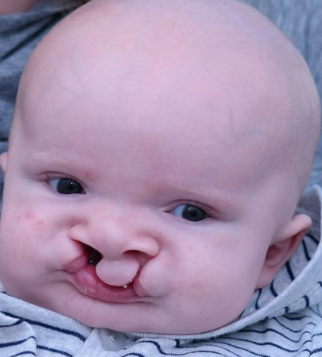
Initial presentation before cleft palate correction.
After Surgery

Improved function and natural appearance after reconstruction.