
FACIAL TRAUMA RECONSTRUCTION AT VILVA COSMETICS
Facial trauma refers to any injury to the face, ranging from soft tissue lacerations and fractures of the facial bones (nose, cheekbones, jaw, eye socket) to complex injuries involving multiple structures. These injuries can result from accidents, sports, falls, or violence, often impacting not just appearance but also vital functions like breathing, vision, chewing, and speech. At Vilva Cosmetics, our expert plastic and reconstructive surgeons specialize in treating facial trauma, aiming to restore both optimal function and aesthetic harmony.
Facial Trauma Care at Vilva Cosmetics
Our approach to facial trauma is comprehensive, focusing on meticulous repair of bones, soft tissues, and nerves to achieve the best possible functional and cosmetic outcomes. We understand the physical and emotional impact of these injuries and are committed to compassionate care.
During your personal consultation at Vilva Cosmetics in Erode, our expert team will conduct a thorough assessment, utilize advanced imaging, and develop a precise surgical plan tailored to the specific injury. We are dedicated to guiding patients through the recovery process, ensuring careful follow-up to optimize healing and long-term results.

Facial Trauma Reconstruction Details
Procedure Time
Highly Variable (30 mins - 8+ Hours, depending on severity)
Anaesthesia
Local with Sedation to General Anaesthesia (injury dependent)
Nights In Hospital
Outpatient to Several Days/Weeks (severity dependent)
Pain And Discomfort
Days to Weeks/Months (managed with medication)
Risks - Common
Swelling, bruising, temporary numbness, infection, minor asymmetry, scarring
Risks - Uncommon
Nerve damage (permanent), persistent numbness, malunion/nonunion of fractures, vision changes, chronic pain, salivary gland issues, need for revision surgery
Follow-Up Appointments
Variable, crucial for monitoring healing and rehabilitation
Time Off School/Work
Variable (Few days for minor, weeks to months for severe injuries)
Activity Restrictions
Avoid impact, strenuous activity, and heavy chewing for weeks/months, depending on injury.
Result
Restoration of facial function and aesthetics. Final results evolve as swelling resolves and healing progresses.
Why Choose Facial Trauma Reconstruction?
Facial trauma reconstruction is critical for addressing the multifaceted impact of facial injuries:
- To restore crucial functions such as breathing, chewing, swallowing, and speaking, which can be impaired by injuries to the nose, jaws, or soft tissues.
- To preserve or restore vision and eye movement in cases of orbital (eye socket) fractures or injuries.
- To achieve precise anatomical alignment of fractured bones, ensuring proper healing and preventing long-term deformities.
- To repair soft tissue damage, including skin, muscles, and nerves, to minimize scarring and restore facial expression.
- To mitigate potential long-term complications like chronic pain, persistent numbness, malocclusion (improper bite), or chronic infections.
- To restore facial aesthetics and symmetry, significantly improving the patient's self-image and psychological well-being.
- To prevent secondary deformities and provide a foundation for further reconstructive procedures if necessary.
FREQUENTLY ASKED QUESTIONS – FACIAL TRAUMA
What is Facial Trauma?
Facial trauma refers to any injury to the soft tissues or bones of the face. This can include lacerations (cuts), fractures of the nose, jaw, cheekbones, or eye sockets, and injuries to nerves or salivary glands.
When is facial trauma surgery performed?
For acute injuries, surgery is often performed as soon as the patient is medically stable, sometimes within hours or days. For older or more complex injuries, reconstructive surgery may be delayed until swelling subsides and a detailed plan can be made.
What types of injuries does Vilva Cosmetics treat?
We treat a wide range of facial trauma, including **nasal fractures, orbital fractures (eye socket), zygoma (cheekbone) fractures, jaw (mandible and maxilla) fractures, complex facial lacerations, and injuries to facial nerves or salivary glands.**
Will I have visible scars?
While facial trauma inherently results in some scarring, our surgeons employ **meticulous surgical techniques** to minimize their visibility, often placing incisions in natural skin creases, inside the mouth, or along hairlines where possible.
How long does recovery take?
Recovery is highly variable. Minor soft tissue injuries may heal in days to weeks. For complex bone fractures, initial healing can take **4-6 weeks**, with swelling resolving over several months. Full functional and aesthetic recovery can take **6 months to over a year**.
What kind of diet will I need after surgery?
Depending on the injury, especially jaw fractures, you may need to follow a **liquid or soft diet** for several weeks. Your surgeon will provide specific dietary instructions to ensure proper healing.
RISKS AND COMPLICATIONS
What are the possible risks of facial trauma surgery?
Risks include **infection, bleeding, nerve damage (leading to numbness or weakness), non-union or malunion of bones, asymmetry, vision changes (for orbital injuries), and the potential need for revision surgery**. These will be thoroughly discussed.
AFTERCARE
Will I need any follow-up or therapy?
Yes, regular **follow-up appointments** are crucial to monitor healing. Depending on the injury, you may also need physical therapy, speech therapy, ophthalmology follow-up, or orthodontics to ensure optimal functional recovery.
Pre-Operative Instructions – Facial Trauma Reconstruction
Immediate & Initial Assessment (Acute Cases)
- For acute injuries, prioritize immediate medical attention. Your surgeon will conduct a rapid assessment to determine the extent of injuries and stabilize your condition.
- Advanced imaging (CT scans, X-rays) will be performed to visualize bone fractures and soft tissue damage.
- Communicate all symptoms, pain levels, and any changes in vision, breathing, or sensation to the medical team promptly.
- Understand the urgency of the surgery if recommended, as timely intervention can significantly impact outcomes.
Detailed Planning (Reconstruction/Delayed Cases)
- If your surgery is delayed or reconstructive, you will undergo a comprehensive evaluation, including detailed 3D imaging and consultations with a multidisciplinary team (e.g., ENT, ophthalmologist, oral surgeon).
- Provide a complete medical history, including all medications (prescription, over-the-counter, herbal), allergies, and previous surgeries.
- Follow specific instructions regarding stopping blood-thinning medications, anti-inflammatory drugs, or herbal supplements, usually 1-2 weeks prior.
- Avoid smoking and alcohol for at least 4-6 weeks before surgery, as they severely compromise healing.
Day Before Surgery
- Adhere strictly to fasting guidelines provided by the hospital (typically no food or drink, including water, after a certain time).
- Confirm your arrival time and location at the hospital.
- Arrange for a responsible adult to drive you home after discharge and assist with initial post-operative care.
- Prepare your recovery area at home, ensuring it is comfortable and stocked with necessary supplies.
Morning of Surgery
- Do not consume any food or drink as per the fasting instructions.
- Take only essential medications with a small sip of water if approved by your anaesthesiologist.
- Dress in loose, comfortable clothing.
- Arrive at the hospital at the designated time, bringing any necessary identification and paperwork.
- Ensure any last-minute questions or concerns are addressed with the surgical team.
Post-Operative Instructions – Facial Trauma Reconstruction
Pain Management & Swelling Control
- Take prescribed pain medications as directed to manage discomfort. Do not wait for severe pain to start.
- Apply cold compresses to the facial area as advised to reduce swelling and bruising, especially in the first 48-72 hours.
- Keep your head elevated, even during sleep, to further minimize swelling.
- Expect significant swelling and bruising; these will gradually subside over weeks to months.
Wound Care & Hygiene
- Follow your surgeon's instructions for cleaning incision sites and dressing changes. Keep wounds clean and dry.
- Avoid touching or disturbing the surgical areas.
- If oral incisions were made, maintain strict oral hygiene with prescribed rinses or gentle brushing.
- Report any signs of infection (increased redness, warmth, pus, fever) immediately to your surgeon.
Diet & Activity Restrictions
- Adhere strictly to dietary restrictions (liquid, soft, or non-chewing diet) as advised, especially if jaw fractures were repaired. This is crucial for proper bone healing.
- Avoid strenuous activities, heavy lifting, and any impact to the face for several weeks to months, as directed by your surgeon.
- Protect your face from sun exposure and direct trauma during the healing period.
- Do not smoke or consume alcohol during recovery, as they can severely compromise healing.
Follow-up & Rehabilitation
- Attend all scheduled follow-up appointments. These are critical for monitoring healing, removing sutures/plates (if necessary), and guiding your recovery.
- You may require physical therapy, speech therapy, or dental/orthodontic follow-up, especially for complex injuries impacting function.
- Be patient with the healing process. Functional and aesthetic results will continue to improve over many months as swelling resolves and tissues settle.
- Communicate any new or worsening symptoms, persistent numbness, or concerns about healing to your surgical team.
Facial Trauma Reconstruction
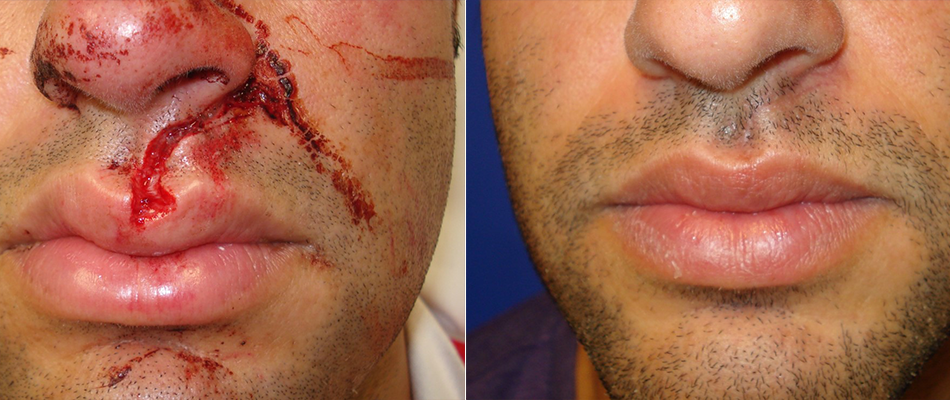
Case 1
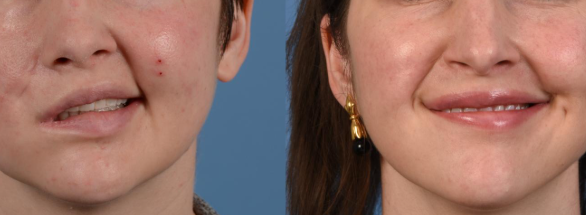
Case 2
