CHEMICAL PEELS AT VILVA COSMETICS
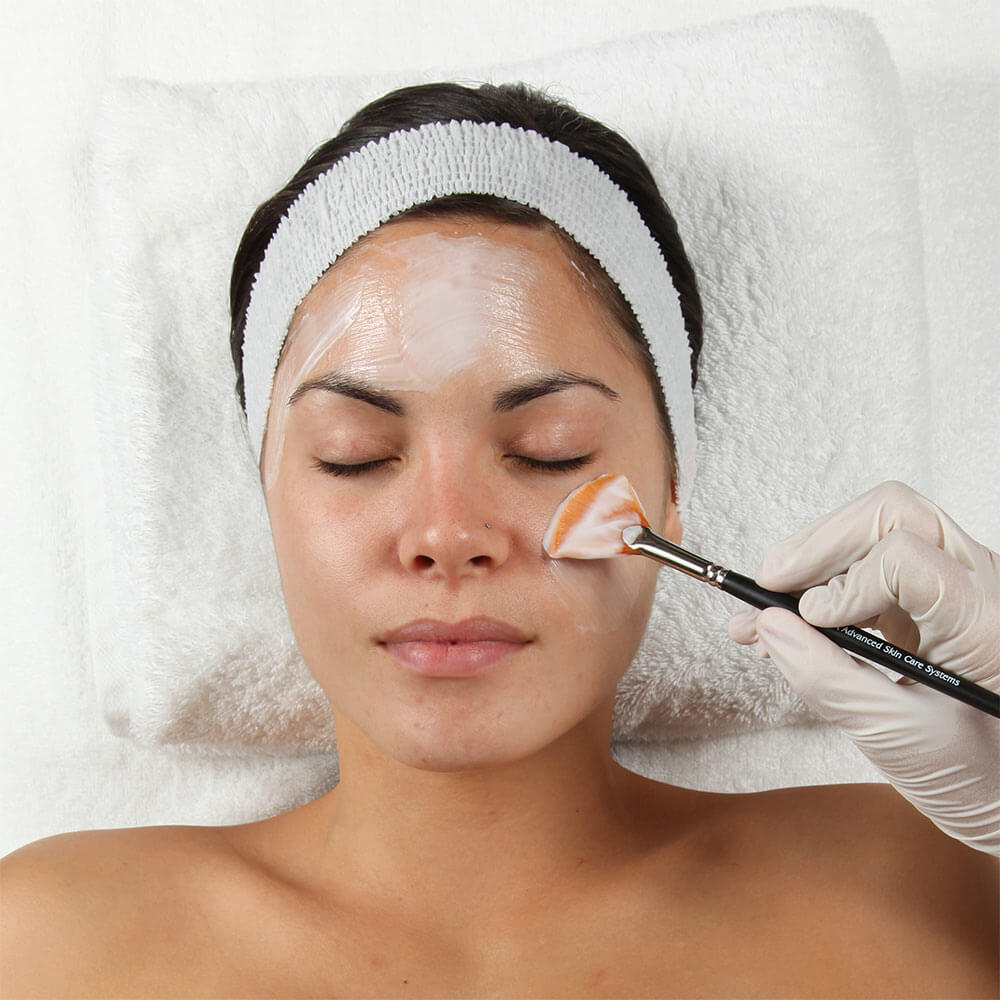
A chemical peel is a popular, non-surgical cosmetic treatment that involves applying a chemical solution to the skin. This solution exfoliates the top layers of the skin, causing it to peel off and reveal the fresher, smoother, and healthier skin underneath. Chemical peels can be customized to different depths (light, medium, or deep) to address a wide range of concerns, from fine lines and acne to uneven skin tone and scarring. At Vilva Cosmetics, we use professional-grade peels to help you achieve a more radiant and youthful complexion.
How Chemical Peels Work at Vilva Cosmetics
The chemical solution, often containing acids like glycolic, salicylic, or trichloroacetic acid (TCA), is carefully applied to the skin. It causes controlled damage to the outer layers, which in turn stimulates the natural healing process. This process boosts collagen production and cell turnover, leading to new, regenerated skin that's smoother and more even-toned.
During your personal consultation at Vilva Cosmetics in Erode, our expert team will assess your skin type, concerns, and aesthetic goals to determine the most suitable type and strength of chemical peel for you. We will then develop a tailored treatment plan to ensure you get the best possible results.
Chemical Peel Details
Procedure Time
15 - 60 Minutes
Anaesthesia
None needed for light peels; sedation for deep peels
Downtime
Minimal to several weeks, depending on depth
Pain And Discomfort
Tingling or burning sensation, similar to a sunburn
Risks - Common
Redness, flaking, peeling, dryness
Risks - Uncommon
Infection, scarring, skin discoloration (hyperpigmentation)
Follow-Up Appointments
Light peels every 2-5 weeks, maintenance as needed
Time Off Work
None for light peels, up to 2 weeks for deeper peels
Sun Exposure
Strictly prohibited post-treatment
Result
Smoother, clearer skin after healing; visible in 1-2 weeks
Why Choose Chemical Peels?
Chemical peels are a highly versatile and effective way to rejuvenate your skin, offering a wide range of benefits:
- They are a powerful tool for acne treatment, as they unclog pores and reduce breakouts.
- They improve the appearance of fine lines and wrinkles by stimulating new collagen production.
- They are effective in reducing hyperpigmentation, such as sun spots, age spots, and melasma.
- The treatment enhances overall skin tone and texture, resulting in a brighter and more youthful complexion.
- They are a customizable solution, with different strengths available to match your specific skin needs and desired results.
FREQUENTLY ASKED QUESTIONS – CHEMICAL PEELS
How do chemical peels work?
A chemical solution is applied to the skin, causing the outer layers to break down and peel away. This process promotes cell turnover and stimulates new, healthy skin growth underneath, improving texture and appearance.
What conditions can be treated with them?
Chemical peels can treat a variety of skin concerns, including acne, acne scars, fine lines, wrinkles, sun damage, age spots, melasma, and uneven skin texture or tone.
How many sessions are needed?
The number of sessions varies depending on the type and depth of the peel. For light peels, a series of 3-5 treatments spaced 2-5 weeks apart is often recommended for best results. Deeper peels may only require one session.
Is the procedure painful?
During a light or medium peel, you may feel a tingling or stinging sensation, which is usually well-tolerated. For deeper peels, which penetrate further into the skin, the discomfort is more intense, but is managed with proper pain relief or sedation.
What is the downtime?
Downtime depends on the peel's depth. Light peels have minimal downtime, with a few days of redness and flaking. Medium peels require 7-14 days of healing with more significant peeling. Deep peels have the longest recovery, often requiring up to 2-3 weeks of at-home recuperation.
RISKS AND COMPLICATIONS
What are the possible risks?
Common side effects include redness, swelling, and peeling. Uncommon but more serious risks can include infection, scarring, or temporary or permanent changes in skin pigmentation, especially for people with darker skin tones or after a deep peel.
AFTERCARE
What kind of aftercare is needed?
Aftercare is essential for optimal results and to prevent complications. You must avoid sun exposure, keep the skin moisturized with gentle products, and avoid picking at the peeling skin. A broad-spectrum SPF 30+ sunscreen is mandatory after a chemical peel.
Pre-Treatment Instructions – Chemical Peels
One to Two Weeks Before Treatment
- Avoid sun exposure and tanning beds for at least two weeks prior to treatment.
- Stop using retinoids, glycolic acid, or other harsh exfoliants on the treatment area.
- Avoid facial waxing or hair removal in the treatment area.
Day of Treatment
- Arrive with a clean face, free of makeup, lotions, or creams.
- Inform your practitioner of any skin conditions or recent sun exposure.
- Discontinue use of any topical medications that may increase skin sensitivity.
Medications & Lifestyle
- Avoid taking blood-thinning medications (aspirin, ibuprofen) for one week before to minimize bruising.
- Discuss any oral acne medications (e.g., Accutane) you've taken within the past year with your practitioner.
Aftercare Preparation
- Purchase a broad-spectrum SPF 30+ sunscreen and a gentle, non-comedogenic moisturizer.
- Wear protective clothing and a hat after treatment to shield your skin from the sun.
Post-Treatment Instructions – Chemical Peels
Immediate Aftercare
- Apply a cold compress to the treated area to soothe any redness or tingling.
- Keep the treated area clean and moisturized with a gentle cream.
- Avoid picking or scratching at any peeling skin; let it shed naturally to prevent scarring.
Activity & Lifestyle
- Avoid strenuous exercise, saunas, and hot baths for 24-48 hours.
- Protect the treated area from direct sun exposure and apply sunscreen daily.
- Avoid harsh skin products (e.g., retinoids, exfoliants, scrubs) until the skin has fully healed.
Appearance & Healing
- The skin may appear red and feel tight, similar to a sunburn. Flaking and peeling will begin a few days after treatment.
- Contact your practitioner immediately if you notice signs of infection, severe blistering, or unexpected skin changes.
Follow-up & Results
- Follow the prescribed treatment schedule to achieve optimal results.
- Be patient with results, as the new skin will become visible over the course of a week or two.
- Maintaining a good skincare routine and sun protection is essential to prolong the benefits.
Chemical Peels Results
At Vilva Cosmetic Science and Speciality Centre, Chemical Peels are a safe and effective treatment for exfoliation, pigmentation, acne scars, and rejuvenation. Below are example before-and-after images demonstrating the benefits of chemical peel treatments.
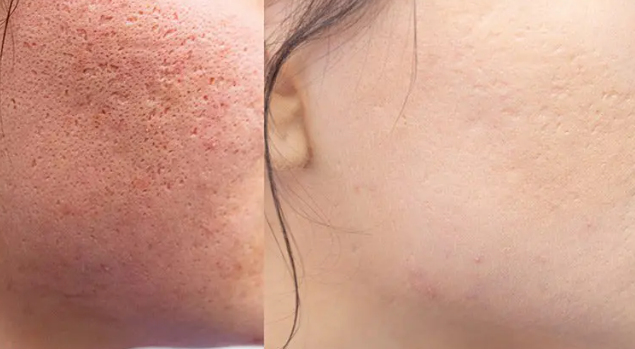
Reduction in Acne Marks & Scars
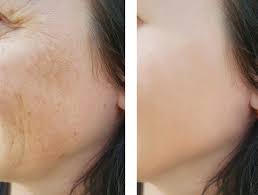
Even Skin Tone & Pigmentation Reduction
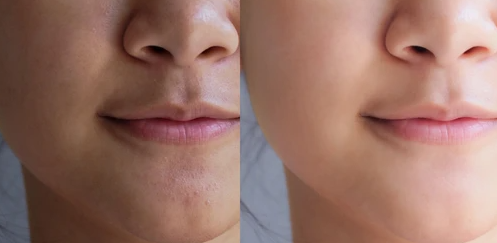
Brighter, Healthier & Glowing Skin