ORTHOGNATHIC SURGERY AT VILVA COSMETICS
Orthognathic surgery, often known as jaw surgery, is a specialized procedure performed to correct significant irregularities and misalignments of the jaw bones. These conditions can affect not only facial aesthetics but also crucial functions such as chewing, speaking, and breathing. At Vilva Cosmetics, our expert oral and maxillofacial surgeons collaborate closely with orthodontists to plan and execute precise surgical movements, aiming to achieve a balanced facial profile, a functional bite, and improved overall oral health.
Jaw Correction at Vilva Cosmetics
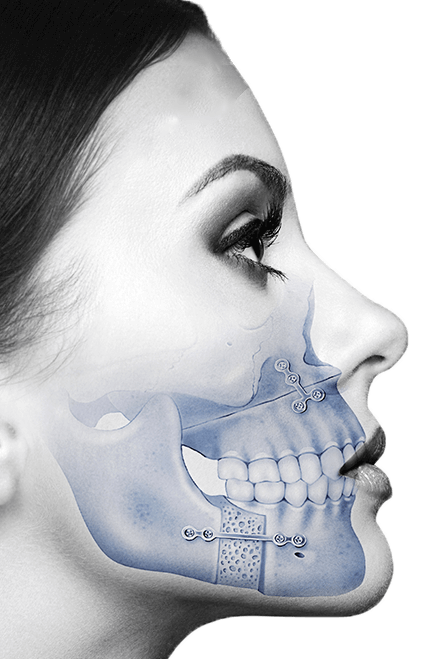
Orthognathic surgery addresses conditions like severe overbites, underbites, crossbites, facial asymmetry, and sleep apnea that cannot be corrected by orthodontics alone. The procedure involves carefully repositioning one or both jaws to a more ideal alignment, which is then secured with plates and screws.
During your personal consultation at Vilva Cosmetics in Erode, our expert team will conduct a thorough diagnostic assessment, including advanced 3D imaging and virtual surgical planning. We will explain the combined orthodontic and surgical process, ensuring you understand every step involved in achieving your optimal functional and aesthetic outcome.
Orthognathic Surgery Details
Procedure Time
3 - 8 Hours (depending on complexity)
Anaesthesia
General Anaesthesia
Nights In Hospital
1 - 3 Nights
Pain And Discomfort
2 - 4 Weeks (managed with medication)
Risks - Common
Swelling, bruising, temporary numbness of lips/chin, difficulty eating/speaking, temporary jaw stiffness
Risks - Uncommon
Permanent nerve damage (numbness), infection, bleeding, relapse of bite, non-union of bones, TMJ issues, need for revision surgery
Follow-Up Appointments
Extensive, ongoing with surgeon and orthodontist
Time Off School/Work
3 - 6 Weeks
Activity Restrictions
Soft/liquid diet for weeks, no strenuous activity or contact sports for several months.
Result
Corrected bite, improved facial aesthetics, enhanced chewing/speech. Final stability over 6-12 months.
Why Choose Orthognathic Surgery?
Orthognathic surgery offers comprehensive solutions for jaw and facial imbalances that significantly impact both function and appearance:
- To correct a misaligned bite (malocclusion), improving the ability to chew food efficiently and comfortably.
- To enhance facial symmetry and balance, addressing issues like severe underbites, overbites, or crossbites that affect the profile and overall facial harmony.
- To improve speech difficulties that may arise from jaw position and alignment.
- To alleviate jaw pain and temporomandibular joint (TMJ) discomfort often associated with jaw misalignment.
- To resolve breathing problems, including obstructive sleep apnea, by repositioning the jaws to open the airway.
- To improve overall oral health by reducing wear on teeth and providing a more stable foundation for dental restorations.
- To significantly boost self-confidence and quality of life by improving both facial aesthetics and daily oral functions.
FREQUENTLY ASKED QUESTIONS – ORTHOGNATHIC SURGERY
What is Orthognathic Surgery?
Orthognathic surgery, or jaw surgery, corrects discrepancies in jaw size and position, bringing the jaws and teeth into proper alignment to improve chewing, speaking, breathing, and facial appearance.
When is Orthognathic Surgery typically performed?
It is usually performed once **facial growth is complete**, typically in the late teens or early adulthood. This ensures the jaw position is stable and the surgical results are predictable.
Will I need orthodontics (braces)?
Yes, **orthodontic treatment (braces)** is almost always required both **before and after** orthognathic surgery. Pre-surgical orthodontics aligns the teeth within each jaw, while post-surgical orthodontics fine-tunes the bite.
Will there be visible scars?
The incisions for **orthognathic surgery** are typically made **inside the mouth**, meaning there are usually no visible external scars on the face.
How long is the recovery period?
Initial recovery, including significant swelling, lasts about **3-6 weeks**. Most patients can return to light activities in 3-6 weeks. Full bone healing takes **6-12 months**, during which subtle changes in swelling and bite refinement occur.
What kind of diet will I be on after surgery?
You will typically be on a **liquid or very soft, non-chewing diet** for several weeks (usually 4-6 weeks) after surgery to allow the jaws to heal. Gradual progression to a normal diet will follow, as directed by your surgeon.
RISKS AND COMPLICATIONS
What are the possible risks of Orthognathic Surgery?
Risks include **temporary or permanent numbness** in the lips, chin, or tongue (due to nerve manipulation), **infection, bleeding, relapse of the bite, non-union of jaw bones, TMJ problems, and the need for revision surgery**. These will be thoroughly discussed with you.
AFTERCARE
Will I need my jaws wired shut?
In most modern orthognathic surgeries, **jaws are not wired completely shut**. Instead, small elastic bands may be used to guide your bite. This allows for limited jaw movement and makes eating and oral hygiene easier. However, the jaw is still firmly stabilized with plates and screws.
Pre-Operative Instructions – Orthognathic Surgery
Orthodontic Preparation Phase
- Engage actively in your pre-surgical orthodontic treatment to align your teeth properly before jaw repositioning. This phase is crucial for optimal surgical outcomes.
- Attend all orthodontic appointments diligently and follow your orthodontist's instructions regarding braces adjustments and oral hygiene.
- Understand that your bite may temporarily worsen during this phase as teeth are moved into positions that will fit together after surgery.
- Ensure all necessary orthodontic records (models, X-rays) are updated and shared between your orthodontist and surgeon.
Surgical Planning & Consultations
- Participate in detailed surgical planning, which may involve virtual surgical planning (VSP) using 3D models of your jaws and face.
- Undergo all required pre-operative medical evaluations, blood tests, and imaging (e.g., CT scans).
- Discuss your complete medical history, including all medications (prescription, over-the-counter, herbal), allergies, and previous surgeries, with your surgical team.
- Arrange for a responsible adult to drive you home after discharge and assist with your initial recovery.
One Week Before Surgery
- Follow specific instructions regarding stopping certain medications, especially blood thinners, anti-inflammatory drugs (NSAIDs), and certain herbal supplements.
- Avoid smoking and alcohol for at least 4-6 weeks prior to surgery, as they can significantly impair healing and increase complication risks.
- Prepare soft/liquid food items and nutritional supplements for your post-operative diet.
- Ensure your home is set up for comfortable recovery, including soft pillows, ice packs, and easy access to necessities.
Day Before & Morning of Surgery
- Adhere strictly to fasting guidelines provided by the hospital (typically no food or drink, including water, after midnight).
- Bathe or shower as instructed, often using an antiseptic soap, to minimize infection risk.
- Do not wear makeup, nail polish, jewelry, or contact lenses to the hospital.
- Arrive at the hospital at the designated time with your necessary identification and paperwork.
- Ensure any last-minute questions or concerns are addressed with the surgical team and anaesthesiologist.
Post-Operative Instructions – Orthognathic Surgery
Immediate Post-Op Care & Hospital Stay
- Expect significant facial swelling and some bruising, which will peak in the first 2-3 days. This is normal.
- Pain will be managed with prescribed medications. Take them as directed to stay comfortable.
- Keep your head elevated with several pillows, even during sleep, to help reduce swelling.
- You may have some bleeding or oozing from incisions inside the mouth; this is normal and will subside.
Diet & Oral Hygiene
- Strictly adhere to a **liquid or very soft, non-chewing diet** for the recommended period (usually 4-6 weeks). Avoid any foods that require chewing.
- Maintain excellent oral hygiene: rinse your mouth with prescribed solutions after every meal and use a very soft toothbrush as instructed.
- Ensure adequate fluid intake to prevent dehydration. Use a syringe or soft-tipped bottle if necessary.
- Do NOT use straws, as the suction can cause complications.
Activity & Jaw Movement
- Avoid strenuous activities, heavy lifting, and any impact to the face for several months.
- You may be given elastics or "guide wires" to maintain your bite. Do not remove them unless instructed.
- Gentle jaw exercises may be recommended by your surgeon after a certain period to improve mouth opening. Do not force jaw movement.
- Avoid smoking and alcohol completely during the recovery period, as they can severely compromise healing.
Follow-up & Long-term Care
- Attend all scheduled follow-up appointments with both your surgeon and orthodontist. These are critical for monitoring healing and fine-tuning your bite.
- Expect to continue orthodontic treatment after surgery for several months to complete the bite refinement.
- Report any signs of infection (increased swelling, redness, pus, fever), persistent numbness, or changes in your bite to your surgeon immediately.
- Be patient with the healing process; final results, including soft tissue adaptation, can take 6-12 months or longer to fully manifest.
Orthognathic Surgery Results
Orthognathic surgery corrects jaw irregularities, improves bite alignment, and restores facial balance. At Vilva Cosmetic Science and Speciality Centre, our expertise ensures natural-looking transformations that enhance both function and appearance.
Before Surgery
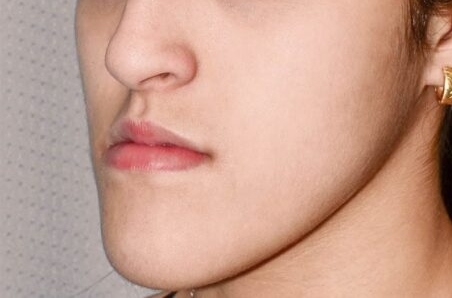
Pre-surgical appearance with jaw irregularities.
After Surgery

Improved bite alignment and enhanced facial harmony.