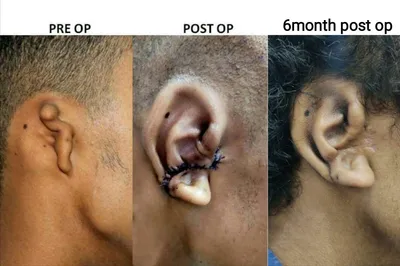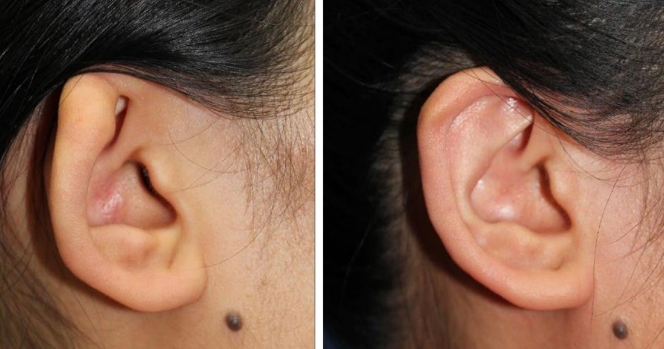
PINNA RECONSTRUCTION AT VILVA COSMETICS
Pinna reconstruction (ear reconstruction) is a specialized surgical procedure performed to rebuild or reshape the external ear (pinna) when it is malformed, absent, or damaged due to congenital conditions (like microtia), trauma, or cancer removal. At Vilva Cosmetics, our expert plastic surgeons are dedicated to creating a natural-looking and proportionate ear, aiming to restore both aesthetic balance and improve the patient's self-confidence.
Ear Reconstruction at Vilva Cosmetics
The procedure involves carefully sculpting a new ear framework, often using the patient's own rib cartilage or a synthetic implant, which is then covered with skin. This multi-stage process requires artistic skill and meticulous surgical technique to achieve optimal results.
During your personal consultation at Vilva Cosmetics in Erode, our expert plastic surgeons will thoroughly assess your or your child's specific condition, discuss the various reconstruction options, the multi-stage surgical plan, and address any concerns you may have. We are committed to guiding patients and families through every step, ensuring the best possible outcome for ear appearance and overall well-being.
Pinna Reconstruction Surgery Details
Procedure Time
2 - 6 Hours per stage (multiple stages usually)
Anaesthesia
General Anaesthesia
Nights In Hospital
1 - 3 Nights per stage
Pain And Discomfort
1 - 3 Weeks per stage (managed with medication)
Risks - Common
Swelling, bruising, temporary numbness, skin discoloration, minor asymmetry, mild discomfort at donor site (if applicable)
Risks - Uncommon
Infection, hematoma, skin flap necrosis, cartilage exposure, implant extrusion, scarring issues, persistent asymmetry, need for further revisions
Follow-Up Appointments
Multiple appointments over months/years for staged recovery
Time Off School/Work
1 - 2 Weeks per stage
Activity Restrictions
Avoid contact sports and activities that may impact the ear for several months after final stage.
Result
Creation of a natural-looking ear, improved facial symmetry, enhanced self-confidence. Final results evolve over time.
Why Choose Pinna Reconstruction?
Pinna reconstruction offers profound benefits for individuals with ear deformities or absence:
- To restore the natural appearance of the ear, achieving symmetry and balance with the unaffected ear and overall facial features.
- To address psychosocial impact, significantly improving self-esteem, confidence, and social interaction for patients, particularly children and adolescents.
- To correct congenital conditions like microtia (underdeveloped ear) or anotia (absent ear) from birth.
- To rebuild ears damaged by trauma (e.g., burns, accidents) or removed due to cancer.
- To allow for wearing eyeglasses or hearing aids more comfortably and securely in some cases, though not directly restoring hearing function of the reconstructed ear itself.
- To provide a permanent and durable solution, especially when using the patient's own cartilage, which grows with the child and is resistant to infection.
FREQUENTLY ASKED QUESTIONS – PINNA RECONSTRUCTION
What is Pinna Reconstruction?
Pinna reconstruction, or ear reconstruction, is a surgical procedure to rebuild or reshape the external ear (pinna) due to congenital absence (microtia), trauma, or disease. It aims to create a natural-looking ear structure.
When is ear reconstruction typically performed?
For children with microtia, **ear reconstruction** is usually performed between **6 to 10 years of age**, when the rib cartilage (if used) is sufficient for sculpting and the ear has reached close to adult size. Trauma or cancer cases can be addressed at any age once the patient is stable.
What materials are used for reconstruction?
The most common methods use either the patient's own **rib cartilage** (autologous reconstruction) or a **synthetic porous polyethylene implant** (Medpor or Su-Por). Each has distinct advantages and considerations, which your surgeon will discuss.
How many stages does the surgery involve?
**Pinna reconstruction** typically involves **multiple surgical stages**, usually between 2 to 4, spaced several months apart. Each stage focuses on a different aspect of ear formation, from framework creation to lifting the ear and adding details.
Will the reconstructed ear have hearing function?
No, **pinna reconstruction** focuses solely on the external ear's appearance. It does not restore hearing. If the inner ear structures are also affected, a separate audiological evaluation and potential interventions (e.g., bone-anchored hearing aids) may be considered.
RISKS AND COMPLICATIONS
What are the possible risks of pinna reconstruction?
Risks include **infection, hematoma, skin flap complications (necrosis), visible scarring, asymmetry, exposure or extrusion of the cartilage/implant, and the need for revision surgeries.** Your surgeon will detail these and how they are minimized.
AFTERCARE
What is the recovery like after each stage?
After each stage, there will be some **swelling, bruising, and discomfort**, managed with pain medication. Patients typically stay in the hospital for 1-3 nights. Head bandages are common, and activities will be restricted for several weeks to protect the healing ear.
Pre-Operative Instructions – Pinna Reconstruction
Consultation and Evaluation
- Undergo a thorough consultation to discuss the specific type of reconstruction (e.g., autologous rib cartilage, Medpor implant), the expected number of stages, and the timeline.
- Complete all required medical evaluations, including blood tests, imaging (e.g., CT scan of the chest if rib cartilage is considered), and consultations with specialists.
- Discuss your medical history, current medications (including over-the-counter and herbal supplements), allergies, and any previous surgeries.
- Understand the potential risks and benefits unique to your chosen reconstruction method.
Preparation Before Surgery
- Follow specific instructions regarding stopping certain medications, especially blood thinners, anti-inflammatory drugs, or certain herbal supplements, typically 1-2 weeks before surgery.
- Avoid smoking and alcohol for at least 4-6 weeks prior to surgery, as they can significantly impair healing and increase complication risks.
- Arrange for a responsible adult to drive you home after surgery and assist with initial post-operative care.
- Plan for time off from school or work as advised (typically 1-2 weeks per stage).
Day Before Surgery
- Adhere strictly to fasting guidelines provided by the medical team (typically no food or drink, including water, after midnight).
- Confirm your arrival time and location at the hospital.
- Bathe as instructed, often using an antiseptic soap, to minimize infection risk.
- Ensure all necessary post-operative supplies are ready at home (e.g., soft pillows, loose-fitting clothing, prescribed medications).
Morning of Surgery
- Do not consume any food or drink as per fasting instructions.
- Take only essential medications with a small sip of water if approved by your anaesthesiologist.
- Dress in loose, comfortable clothing.
- Arrive at the hospital at the designated time with your caregiver.
- Ensure any questions you have are answered before the procedure begins.
Post-Operative Instructions – Pinna Reconstruction
Immediate Post-Op Care & Hospital Stay
- Expect a head dressing or bandage to protect the newly reconstructed ear. This will typically remain in place for several days.
- Pain and discomfort will be managed with prescribed medications. Be proactive in taking them.
- Hospital stay is usually 1-3 nights per stage, allowing for initial monitoring and pain control.
- Keep the head elevated when resting to help reduce swelling.
Wound Care & Hygiene
- Follow your surgeon's specific instructions for dressing changes and wound care once you are home. Keep the surgical site clean and dry.
- Avoid washing hair or getting the ear wet until cleared by your surgeon, typically after dressings are removed.
- Do not pick at scabs or sutures. Allow them to heal naturally.
- Protect the ear from any direct impact or pressure (e.g., sleeping on the reconstructed ear) for several weeks to months.
Medications, Pain, and Swelling Management
- Take all prescribed medications (pain relievers, antibiotics) as directed. Do not hesitate to use pain medication as needed, especially in the first week.
- Apply cold compresses as advised to reduce swelling and bruising around the ear.
- Swelling can persist for several weeks to months, and the final ear shape will continue to refine over time.
- Report any signs of infection (increased redness, pus, fever), excessive bleeding, or significant pain to your surgeon immediately.
Activity & Long-term Recovery
- Restrict physical activity and avoid strenuous exercise or contact sports for several months following the final stage of reconstruction to protect the ear.
- Attend all scheduled follow-up appointments. These are crucial for monitoring healing, planning subsequent stages, and addressing any concerns.
- Be patient with the recovery process; pinna reconstruction is often a multi-stage journey, and the final results will gradually become apparent over time.
- Consider psychological support if needed, as adjusting to a reconstructed ear can be a significant emotional journey.
Pinna Reconstruction
Pinna reconstruction restores the natural shape and appearance of the ear, improving both function and aesthetics for patients with congenital or acquired ear deformities.