CRANIOFACIAL SURGERIES AT VILVA COSMETICS
Craniofacial surgeries are highly specialized procedures performed to correct a wide range of congenital (present at birth) or acquired deformities involving the skull, face, and jaw. These conditions can impact not only appearance but also vital functions like breathing, feeding, speech, and vision. At Vilva Cosmetics, our expert craniofacial surgeons are dedicated to providing comprehensive, multidisciplinary care, aiming to restore normal anatomy and function, improve quality of life, and enhance aesthetic harmony.
Craniofacial Expertise at Vilva Cosmetics
Our team approaches each complex case with utmost precision, compassion, and a deep understanding of facial growth and development. We collaborate with a network of specialists, including neurosurgeons, orthodontists, ophthalmologists, and speech therapists, to ensure a holistic approach to care.
During your personal consultation at Vilva Cosmetics in Erode, our expert plastic and craniofacial surgeons will thoroughly assess the specific condition, discuss the intricate surgical plan, and address any concerns you and your family may have. We are committed to guiding patients through every step, ensuring the best possible outcome for their health, development, and well-being.

Craniofacial Surgery Details
Procedure Time
Highly Variable (often 4 - 12+ Hours)
Anaesthesia
General Anaesthesia
Nights In Hospital
Several Nights to Weeks (depends on complexity)
Pain And Discomfort
Several Weeks to Months (managed with medication)
Risks - Common
Swelling, bruising, temporary numbness, nausea, minor bleeding, discomfort
Risks - Uncommon
Infection, significant bleeding, nerve damage, vision changes, CSF leak, non-union of bones, asymmetry, need for revision surgery
Follow-Up Appointments
Extensive and Long-term (lifelong in some cases)
Time Off School/Work
Several Weeks to Months
Activity Restrictions
Varies greatly; may include avoiding contact sports, heavy lifting, or specific facial movements for months.
Result
Correction of deformities, improved function, enhanced facial harmony. Often involves staged procedures and long-term adaptation.
Why Choose Craniofacial Surgeries?
Craniofacial surgery is a transformative field that offers critical benefits for individuals with complex facial and skull conditions:
- To correct congenital and acquired deformities of the skull, face, and jaws, such as craniosynostosis, Treacher Collins syndrome, facial trauma, or tumor reconstruction.
- To improve essential functions, including breathing, feeding, speech, vision, and hearing, which may be impaired by craniofacial anomalies.
- To restore facial symmetry and balance, significantly enhancing aesthetic appearance and promoting a more harmonious facial structure.
- To address developmental challenges by allowing for proper brain growth and facial bone development in children.
- To alleviate associated medical issues, such as intracranial pressure or airway obstruction.
- To enhance psychosocial well-being and self-confidence, providing individuals with a greater sense of normalcy and integration.
- To provide long-term solutions that often involve staged procedures throughout growth to achieve the best possible functional and aesthetic outcomes.
FREQUENTLY ASKED QUESTIONS – CRANIOFACIAL SURGERIES
What are craniofacial surgeries?
Craniofacial surgeries encompass a wide range of complex procedures performed to correct deformities of the skull, face, and jaws, whether present at birth or acquired due to trauma, disease, or tumor removal.
When are craniofacial surgeries typically performed?
The timing of craniofacial surgeries is highly individualized. It depends on the specific condition, the patient's age and health, and the desired outcomes. Some procedures are performed in infancy, while others may be staged throughout childhood or even into adulthood.
What are the goals of craniofacial surgery?
The primary goals are to restore normal anatomy and function (e.g., breathing, chewing, speech, vision), achieve facial symmetry and harmony, alleviate associated medical problems, and improve the patient's overall quality of life and self-esteem.
Will there be visible scars?
Given the nature of craniofacial surgeries, some visible scarring is often inevitable. However, our surgeons employ advanced techniques to minimize scar visibility, often placing incisions in natural skin folds, along the hairline, or within the mouth when possible.
How long does the recovery take?
Recovery from craniofacial surgery is highly variable depending on the procedure's complexity. Initial hospital stays can range from several days to weeks. Full recovery, including reduction of swelling and return to normal activities, can take anywhere from several weeks to many months, and sometimes involves a series of staged recoveries.
What kind of post-operative care and therapy is needed?
Post-operative care for craniofacial surgeries is often extensive and multidisciplinary. It can include specialized feeding, speech therapy, orthodontics, physical therapy, and psychological support. Long-term follow-up with a dedicated craniofacial team is essential to monitor growth and ensure optimal results.
RISKS AND COMPLICATIONS
What are the possible risks of craniofacial surgery?
Due to their complexity, craniofacial surgeries carry more significant risks than minor cosmetic procedures. These include, but are not limited to, infection, significant blood loss requiring transfusion, nerve damage, vision changes, cerebrospinal fluid (CSF) leaks, issues with bone healing (non-union or mal-union), and the need for revision surgeries. Our team will discuss all specific risks thoroughly during your consultation.
AFTERCARE
Will the surgery need to be repeated or revised?
For some craniofacial conditions, particularly in growing children, staged surgeries or revisions may be necessary over time to accommodate ongoing facial growth and achieve the best possible long-term functional and aesthetic outcomes. This is a common part of the craniofacial treatment journey.
Pre-Operative Instructions – Craniofacial Surgeries
Comprehensive Evaluation
- Undergo a thorough medical evaluation, including specialized imaging (CT scans, MRI), blood tests, and consultations with a multidisciplinary team (e.g., neurosurgeons, ophthalmologists, orthodontists).
- Ensure all pre-operative appointments and tests are completed as scheduled.
- Discuss any existing medical conditions, allergies, and all medications (prescription, over-the-counter, herbal) with your surgical team well in advance.
- Understand the detailed surgical plan, including potential staging of procedures, and expected hospital stay.
Medication and Lifestyle Adjustments
- Follow specific instructions regarding stopping certain medications, especially blood thinners, anti-inflammatory drugs, or herbal supplements, typically 1-2 weeks before surgery.
- Avoid smoking and alcohol for a specified period before surgery, as these can impair healing.
- Maintain good hydration and nutrition in the days leading up to the procedure.
- Arrange for adequate support for post-operative care, including transportation, childcare (if applicable), and assistance at home.
Day Before Surgery
- Adhere strictly to fasting guidelines provided by the medical team (no food or drink, including water, after a specified time).
- Confirm arrival time and location at the hospital.
- Prepare a bag with essentials for the hospital stay, including comfortable clothing, toiletries, and any comfort items for children.
- Ensure all necessary paperwork, including medical records and insurance information, is organized.
Morning of Surgery
- Do not consume any food or drink as per fasting instructions.
- Take only essential medications with a small sip of water if approved by the anaesthesiologist.
- Dress in loose, comfortable clothing.
- Arrive at the hospital at the designated time with your primary caregiver/support person.
- Ask any final questions you may have before the procedure begins.
Post-Operative Instructions – Craniofacial Surgeries
Hospital Stay and Initial Care
- Expect a stay in a specialized unit (e.g., ICU for initial monitoring) depending on the surgery's complexity.
- Strict monitoring of vital signs, swelling, and pain levels will be conducted.
- Follow all instructions regarding wound care, drain management, and head positioning.
- Pain medication will be administered regularly to ensure comfort.
Wound Care & Hygiene
- Keep incision sites clean and dry as directed by the surgical team. Specific cleaning solutions or ointments may be prescribed.
- Avoid rubbing or putting pressure on the surgical areas.
- Be aware that significant swelling and bruising are common and will gradually subside over weeks to months. Cold compresses may be recommended.
- Maintain strict oral hygiene if intraoral incisions were made, using prescribed rinses or very soft brushes.
Medications, Pain, and Diet
- Administer all prescribed medications (pain relievers, antibiotics, anti-nausea) as directed to manage discomfort and prevent complications.
- Follow the specific diet progression plan, which may start with liquids, advance to soft/pureed foods, and then gradually return to normal over weeks or months.
- Ensure adequate hydration.
- Report any uncontrolled pain, fever, excessive bleeding, or signs of infection (redness, pus, warmth) to the medical team immediately.
Activity & Long-term Recovery
- Restrict physical activity as advised, avoiding strenuous exercise, heavy lifting, or contact sports for several months.
- Ensure sufficient rest for proper healing. Elevating the head can help reduce swelling.
- Attend all scheduled follow-up appointments with the craniofacial team and associated specialists (speech therapist, orthodontist, ophthalmologist).
- Understand that final results may take a long time to become apparent, and further interventions (e.g., orthodontics, secondary surgeries) may be part of the long-term plan.
Craniofacial Surgery Results
At Vilva Cosmetic Science and Speciality Centre, our craniofacial surgeries restore both function and aesthetics for patients with complex facial differences. Below are examples of typical transformations.
Before Surgery
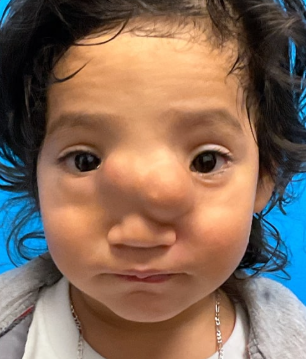
Facial appearance prior to craniofacial reconstruction.
After Surgery
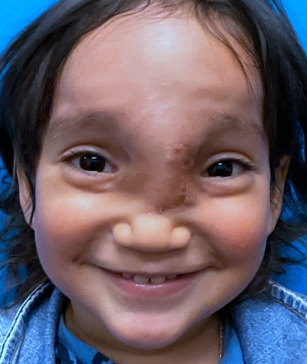
Restored facial symmetry and improved function.