
TOOTH EXTRACTION AT VILVA COSMETICS
A Tooth Extraction is a common dental procedure where a tooth is removed from its socket in the bone. This may be necessary for various reasons, such as severe decay, advanced gum disease, a fractured tooth, or to make space for orthodontic treatment. At Vilva Cosmetics, our skilled dental team performs tooth extractions with the utmost care, prioritizing patient comfort and safety. We ensure that the procedure is as painless and efficient as possible, and we provide comprehensive post-extraction care to promote quick and proper healing.
Our Approach to Tooth Extraction at Vilva Cosmetics
At Vilva Cosmetics, we believe in a careful and considered approach to tooth extraction. Before any procedure, we conduct a thorough examination, including X-rays, to assess the condition of the tooth and the surrounding bone and nerves. We will discuss all available options with you, including alternatives to extraction if possible, and ensure you are fully informed and comfortable with the treatment plan. The procedure is performed under local anaesthesia to numb the area, making it a pain-free experience.
Our clinic in Erode, Tamil Nadu, is equipped with state-of-the-art dental technology to ensure precision and reduce recovery time. We provide clear, detailed instructions for aftercare and are available to address any concerns you may have following your procedure to ensure a smooth and successful recovery.
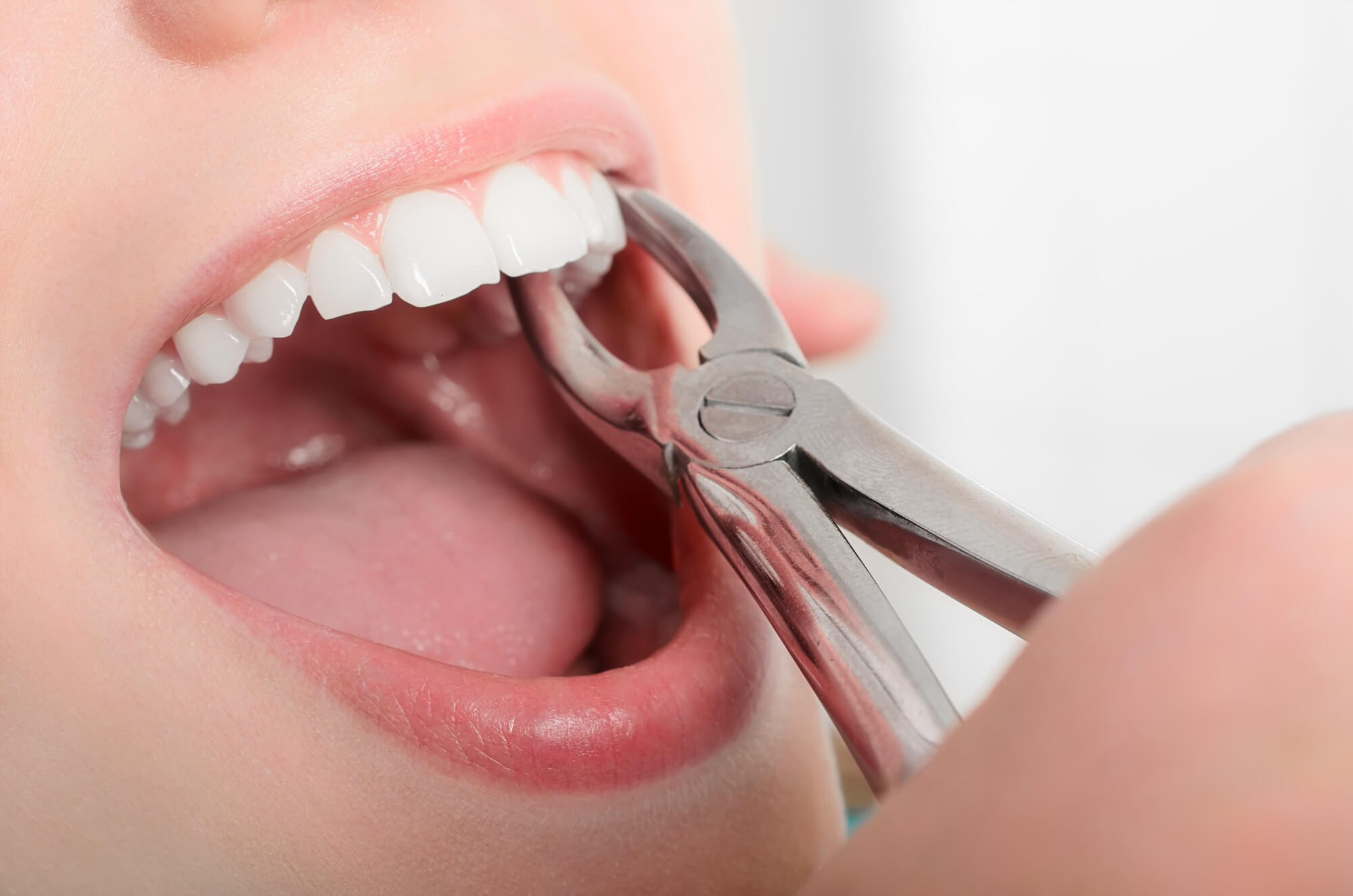
Tooth Extraction Details
Procedure Time
20 - 60 Minutes
Anaesthesia
Local anaesthesia
Downtime
1 - 3 days of limited activity
Pain And Discomfort
Minimal during, moderate post-procedure
Risks - Common
Swelling, bruising, minor bleeding
Risks - Uncommon
Dry socket, infection, nerve injury (rare)
Follow-Up Appointments
Optional, for check-up if needed
Time Off Work
None to 1 day recommended
Sun Exposure
No restrictions
Result
Relief from pain or dental issues, proper healing in 1-2 weeks
When is a Tooth Extraction Necessary?
Tooth extraction is a last resort to address a dental issue that cannot be resolved with other treatments. Common reasons for extraction include:
- Severe Tooth Decay: When a cavity is so extensive that it has damaged the tooth beyond repair and cannot be saved with a filling or crown.
- Advanced Periodontal Disease: Gum disease can cause teeth to become loose, and extraction may be necessary to prevent infection from spreading.
- Impacted Teeth: Often the case with wisdom teeth, when a tooth is blocked from erupting properly, it can cause pain, infection, or damage to adjacent teeth.
- Crowded Mouth: Extractions may be performed to create space for teeth to be properly aligned during orthodontic treatment.
- Fractured or Damaged Tooth: A tooth that is severely cracked or broken beyond repair may need to be removed.
FREQUENTLY ASKED QUESTIONS – TOOTH EXTRACTION
Is the tooth extraction painful?
During the procedure, local anaesthesia is used to numb the area, so you will not feel any pain. You may feel some pressure, but no sharpness or pain. Post-procedure discomfort is normal but can be managed with over-the-counter pain relievers and following aftercare instructions.
How long is the recovery period?
The initial healing phase, where you may experience swelling and discomfort, typically lasts 1-3 days. The socket itself will take a few weeks to fully heal, and the bone will remodel over several months. Following aftercare instructions is essential for a speedy recovery.
What is a dry socket?
A dry socket is a painful condition that can occur when the blood clot that forms in the extraction site is dislodged or dissolves prematurely. This exposes the underlying bone and nerves. Following your aftercare instructions, particularly avoiding smoking and using straws, is key to preventing this.
RISKS AND COMPLICATIONS
What are the possible risks?
The most common risks are swelling, bruising, and minor bleeding. Less common risks include dry socket, infection, and damage to adjacent teeth or nerves. Your dentist will take all precautions to minimize these risks.
AFTERCARE
What kind of aftercare is needed?
Aftercare is crucial. You will be instructed to bite down on a gauze pad to control bleeding, avoid smoking, alcohol, and hot liquids, and eat soft foods. You will also need to refrain from using straws and spitting vigorously to prevent dislodging the blood clot.
Pre-Operative Instructions – Tooth Extraction
Before Your Appointment
- Inform your dentist of your full medical history, including any medications you are currently taking, especially blood thinners.
- Eat a good meal before your appointment, unless you are instructed otherwise.
- Arrange for transportation home if you are taking a sedative for the procedure.
General Preparation
- Avoid alcohol and smoking for at least 24 hours before your procedure.
- Be sure to ask any questions you may have during your pre-procedure consultation.
Post-Operative Instructions – Tooth Extraction
Immediate Aftercare (First 24 hours)
- Bite down on the gauze pad for 30-45 minutes to control bleeding. Replace as needed.
- Avoid rinsing your mouth, spitting, or using a straw to prevent dislodging the blood clot.
- Eat only soft foods and chew on the opposite side of your mouth.
- Do not smoke or drink alcohol for at least 48 hours.
Healing Phase (Days 2-7)
- Gently rinse your mouth with a warm salt water solution (1/2 teaspoon of salt in a glass of warm water) after meals.
- Continue to eat soft foods until you feel comfortable chewing normally.
- Avoid strenuous physical activity for a few days to prevent increased bleeding.
- Take prescribed pain medication as directed, and use an ice pack on your cheek for swelling.