
BLEPHAROPLASTY (EYELID SURGERY) AT VILVA COSMETICS
Blepharoplasty, or eyelid surgery, is a cosmetic procedure designed to rejuvenate the appearance of the upper and/or lower eyelids. This surgery addresses concerns such as sagging skin that can impair vision, puffy bags under the eyes, and wrinkles, creating a more youthful and alert look. At Vilva Cosmetics, our expert surgeons use precise techniques to remove excess skin and fat, and tighten muscles, helping you achieve brighter, more refreshed eyes.
Blepharoplasty at Vilva Cosmetics
Blepharoplasty is a highly effective solution for a variety of age-related changes around the eyes. It can dramatically reduce the appearance of hooded eyelids and under-eye bags, which can make you look tired or older than you feel.
During your personal consultation at Vilva Cosmetics in Erode, our expert plastic surgeons will carefully assess your needs and discuss your aesthetic goals. They will guide you through the process, from selecting the right procedure (upper, lower, or both) to understanding the recovery, ensuring you are fully prepared for a successful outcome and a more vibrant facial appearance.
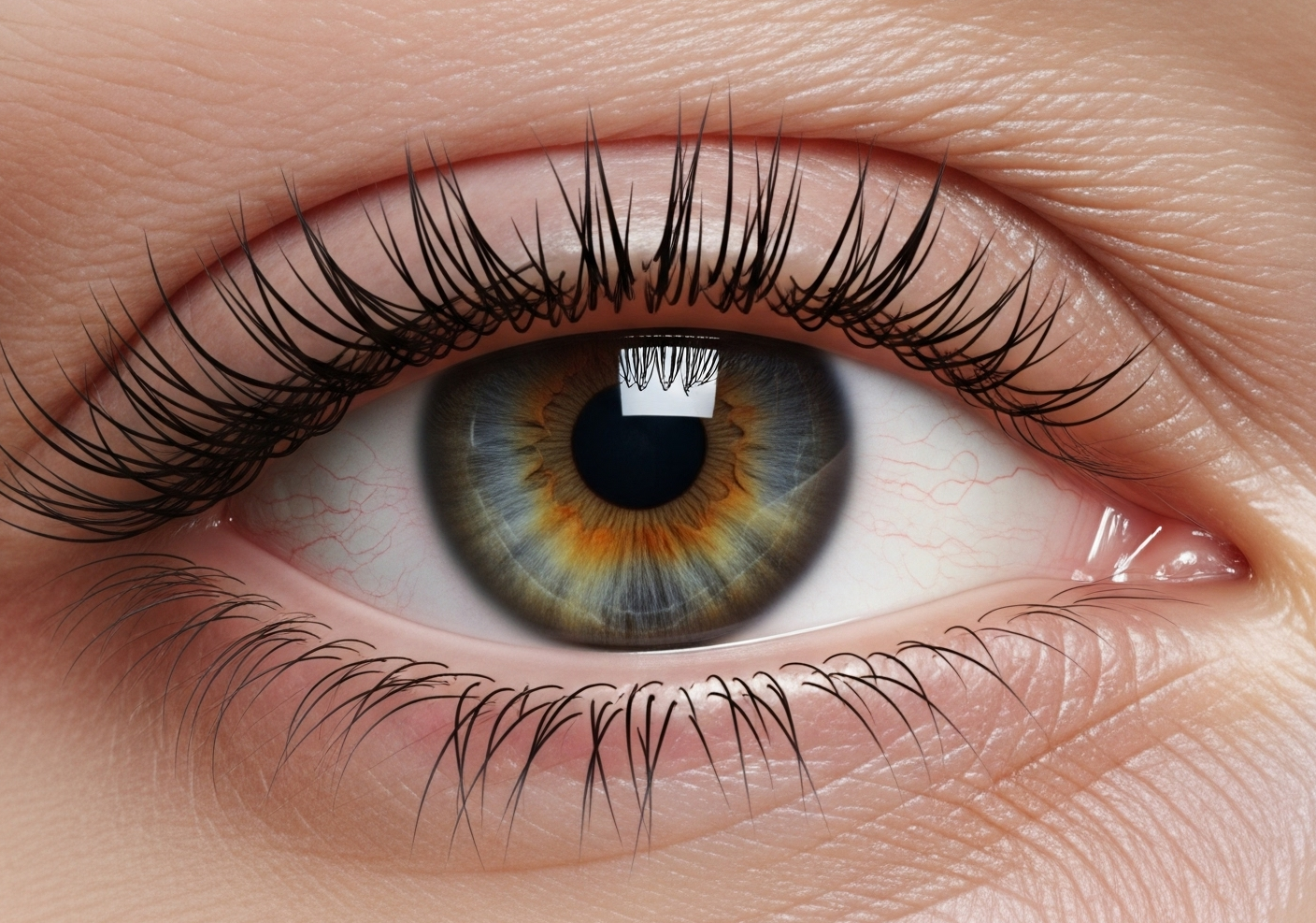
Blepharoplasty Surgery Details
Procedure Time
1 - 2 Hours
Anaesthesia
Local or General Anaesthesia
Nights In Hospital
Outpatient (No stay required)
Pain And Discomfort
Minimal, 3-5 Days
Risks - Common
Swelling, bruising, temporary blurry vision, dry eyes, difficulty closing eyes
Risks - Uncommon
Infection, excessive bleeding, ectropion (drooping lower eyelid), vision changes, asymmetry
Follow-Up Appointments
1 week, 1 month, 3 months (after surgery)
Time Off Work
1 - 2 Weeks
Sports And Exercise
3-4 weeks post-op - light activity, 6 weeks post-op - full exercise
Result
Initial results visible in a few weeks, with final results taking 3-6 months to fully mature.
Why Choose Blepharoplasty?
Blepharoplasty is an excellent option for those seeking a more youthful and refreshed eye area for several reasons:
- To remove excess, drooping skin from the upper eyelids that can interfere with vision.
- To correct puffy bags and dark circles under the eyes, which make a person look tired.
- To reduce fine lines and wrinkles around the eyes for a smoother appearance.
- To achieve a more alert and youthful look by creating a brighter, more open eye area.
- To improve confidence and overall facial aesthetics.
FREQUENTLY ASKED QUESTIONS – BLEPHAROPLASTY
What is Blepharoplasty?
Blepharoplasty is a surgical procedure to improve the appearance of the eyelids. It can be performed on the upper eyelids, lower eyelids, or both, to remove excess skin, fat, and muscle, thereby rejuvenating the eye area.
Who is a good candidate for eyelid surgery?
Ideal candidates are healthy adults with realistic expectations who are bothered by sagging upper eyelids, puffy under-eye bags, or wrinkles. Patients should not have any serious eye conditions and should be non-smokers.
What is the difference between upper and lower eyelid surgery?
Upper blepharoplasty focuses on removing excess skin and fat from the upper eyelid, which can improve vision and create a more youthful look. Lower blepharoplasty addresses puffiness and dark circles by removing or repositioning fat and tightening the skin below the eye.
How long is the recovery?
Most patients can return to light activities and non-strenuous work within 1-2 weeks. Swelling and bruising are common and will gradually subside. Strenuous exercise, heavy lifting, and eye strain should be avoided for 4-6 weeks.
Will I have visible scars?
Incisions for upper blepharoplasty are made within the natural crease of the eyelid, making the resulting scar virtually invisible. For lower blepharoplasty, the incision can be made just below the lash line or inside the eyelid (transconjunctival), leaving no visible external scar.
RISKS AND COMPLICATIONS
What are the possible risks?
Risks include swelling, bruising, temporary blurry vision, dry eyes, and difficulty closing eyes. Less common risks include infection, ectropion (drooping lower eyelid), and vision changes. Our team will discuss all potential risks and how to minimize them during your consultation.
AFTERCARE
What kind of aftercare is needed?
You will need to use prescribed eye drops or ointments, and cold compresses to manage swelling. It is crucial to rest with your head elevated for the first few days and avoid rubbing your eyes. You will be given specific instructions on how to care for your incisions and when to have your sutures removed.
Pre-Operative Instructions – Blepharoplasty
One Week Before Surgery
- Stop taking aspirin, ibuprofen, and other blood-thinning medications as directed by your surgeon.
- Avoid herbal supplements like ginseng, garlic, vitamin E, and fish oil.
- If you are a smoker, stop smoking at least 4–6 weeks before surgery to ensure proper healing.
- Arrange for a responsible adult to drive you home and stay with you for the first 24 hours.
Day Before Surgery
- Do not eat or drink anything after midnight, including water.
- Ensure any prescribed post-operative medications are filled and ready.
- Prepare a comfortable, loose-fitting wardrobe.
- Shower and wash your hair, do not apply lotions or perfumes afterward.
Morning of Surgery
- Do not apply any makeup, contact lenses, or nail polish.
- Remove all jewelry and piercings.
- Take only approved medications with a small sip of water, if instructed.
- Bring required paperwork and a photo ID.
- Wear comfortable, loose clothing.
Medications & Lifestyle
- Continue prescribed chronic medications only if approved by your surgeon.
- Avoid alcohol for at least 48 hours before surgery.
- Inform your surgeon immediately if you feel ill (e.g., have a cold, flu, or fever).
Post-Operative Instructions – Blepharoplasty
Wound Care & Hygiene
- Keep the incision areas clean and dry. Gently clean as instructed by your surgeon.
- Do not rub or put pressure on your eyes. Avoid wearing contact lenses for at least two weeks.
- Apply prescribed eye drops or ointment as directed to prevent dryness and infection.
- Do not remove any dressings or tapes until your scheduled follow-up appointment.
Activity & Lifestyle
- Rest as much as possible for the first week. Keep your head elevated, even while sleeping, to reduce swelling.
- Avoid strenuous activities, heavy lifting, and bending over for 4-6 weeks.
- Wear sunglasses when outdoors to protect your eyes from sun and wind.
- Limit screen time and reading for the first few days to avoid eye strain.
Medications & Pain
- Take your prescribed pain medication as directed. Minimal discomfort is common.
- Use a cold compress or ice pack wrapped in a soft cloth on your eyes for 10-15 minutes at a time for the first 48 hours.
- Contact your surgeon immediately if you experience sharp, severe, or worsening pain or any changes in vision.
Swelling & Recovery
- Swelling and bruising are normal and will peak in the first 2-3 days, then gradually subside.
- You may experience temporary blurry vision or light sensitivity. These symptoms will improve as you heal.
- Attend all follow-up appointments for suture removal and to ensure proper healing.
- Report any signs of infection (e.g., fever, excessive redness, or discharge) to your surgeon immediately.
Blepharoplasty Results
At Vilva Cosmetic Science and Speciality Centre, we specialize in blepharoplasty (eyelid surgery) to rejuvenate the appearance around your eyes. Below are typical "before and after" examples, showcasing the refreshed and natural-looking outcomes achieved with our expert care.
Before Procedure
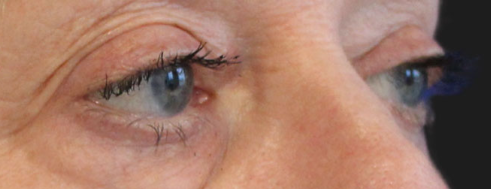
Initial appearance of the eyelids prior to surgery.
After Procedure
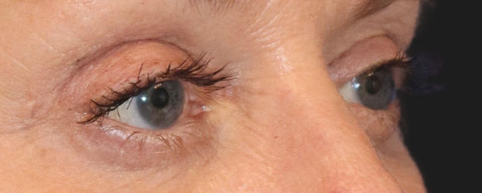
Refreshed and more youthful appearance of the eyes.