BREAST FAT TRANSFER AT VILVA COSMETICS
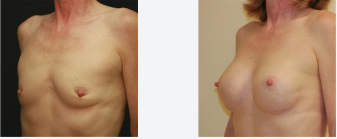
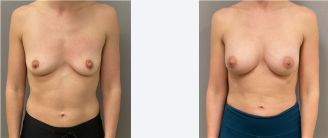
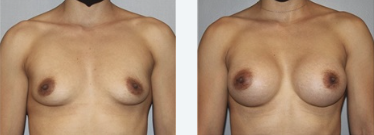
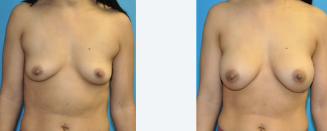
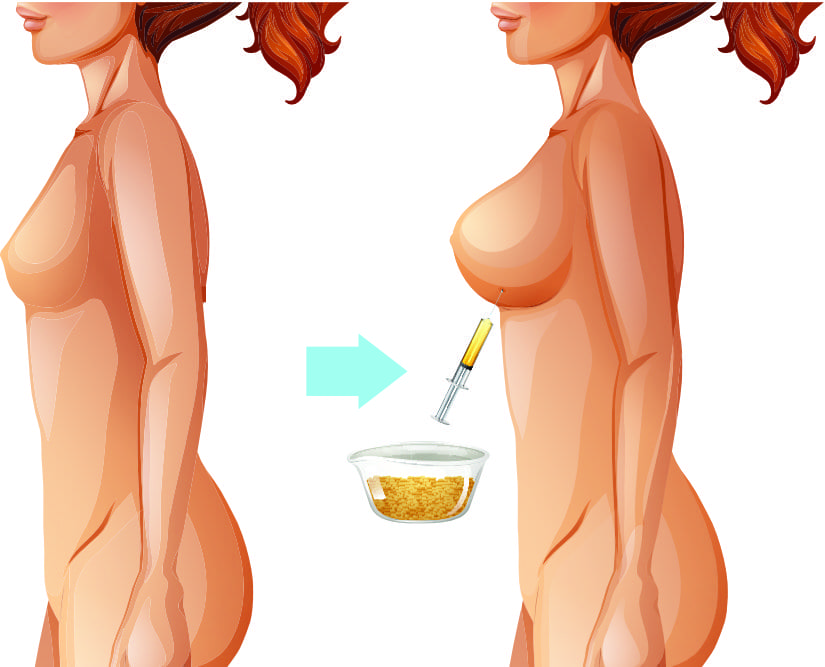
Breast fat transfer, also known as autologous fat grafting to the breast, is a cosmetic procedure designed to enhance breast size and shape using your own body fat. This involves harvesting fat via liposuction from areas like the abdomen, thighs, or flanks, purifying it, and then injecting it into the breasts for natural augmentation. At Vilva Cosmetics, we specialize in delivering natural-looking, safe, and confidence-boosting results using this advanced technique.
Breast Fat Transfer at Vilva Cosmetics
Autologous fat grafting, commonly referred to as breast fat transfer, is a sophisticated surgical procedure aimed at enhancing the appearance of the breasts with a natural feel and look.
This is typically achieved by addressing volume loss, asymmetry, or simply adding subtle fullness without the need for synthetic implants.
Your consultation at Vilva Cosmetics, our clinic based in Erode, is led by our expert plastic surgeons. They will answer any queries you may have, discuss your desired outcome, and help you understand the best approach to achieve a fuller, more contoured breast profile using your body's own resources.
Breast Fat Transfer Surgery Details
Procedure Time
2 - 3 Hours
Anaesthesia
General Anaesthesia
Nights In Hospital
Daycase / 1 Night
Pain And Discomfort
1 - 2 Weeks (donor & recipient areas)
Risks - Common
Swelling, bruising, temporary numbness, fat reabsorption, mild asymmetry
Risks - Uncommon
Infection, oil cysts, calcification, poor fat graft survival, persistent asymmetry
Follow-Up Appointments
1 week, 2 weeks, 3 months (after surgery)
Time Off Work
1 - 2 Weeks
Sports And Exercise
2-4 weeks post-op - light activity, 6-8 weeks post-op - full exercise
Result
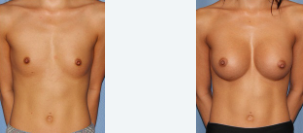
Final results visible after 3-6 months as swelling subsides and fat settles. Some fat reabsorption is normal.
Why Choose Breast Fat Transfer?
Breast fat transfer is an excellent option for those seeking natural breast augmentation or correction for several reasons:
- To achieve natural-looking and feeling breast augmentation using your body's own tissue.
- To correct minor breast asymmetries or fill out areas of volume loss after procedures like lumpectomy.
- To avoid the use of synthetic implants and their associated potential complications.
- To improve breast contour and shape subtly and without visible scars (incisions are tiny for fat injection).
- Provides the dual benefit of breast enhancement and body contouring through liposuction from a donor area.
- Offers a more natural alternative for those looking for a modest increase in breast size.
FREQUENTLY ASKED QUESTIONS – BREAST FAT TRANSFER
What is breast fat transfer?
Breast fat transfer, also known as autologous fat grafting to the breast, is a cosmetic procedure that involves harvesting fat from one area of your body (e.g., abdomen, thighs) via liposuction, purifying it, and then injecting it into your breasts to enhance size and shape naturally.
Who is a good candidate for breast fat transfer?
Ideal candidates are healthy women with realistic expectations who desire a modest increase in breast volume, improved contour, or correction of minor asymmetries. You must have sufficient donor fat available for the procedure.
How much size increase can I expect?
Typically, breast fat transfer results in a subtle to moderate increase in breast size, often about half to one full cup size per session. Multiple sessions may be needed to achieve larger increases, as not all transferred fat survives.
How long do the results last?
Once the transferred fat establishes a blood supply and survives (usually within 3-6 months), the results are permanent. However, your breasts will still be subject to natural aging, weight fluctuations, and hormonal changes, just like your existing fat.
What type of anaesthesia is used?
General anaesthesia is commonly used for breast fat transfer to ensure your comfort throughout both the liposuction and fat injection phases of the procedure.
How long is the recovery?
Most patients can return to light activities within 1-2 weeks. You may experience swelling and bruising in both the donor and recipient areas. Full recovery, including resuming strenuous exercise, typically takes 6-8 weeks, allowing time for fat survival and swelling to subside.
Will I have visible scars?
The incisions for liposuction are typically very small (a few millimeters) and strategically placed to be discreet. The fat injections involve tiny punctures, which are virtually invisible once healed. Scars are generally minimal and fade over time.
RISKS AND COMPLICATIONS
What are the possible risks?
Risks include swelling, bruising, temporary numbness, fat reabsorption (some fat not surviving the transfer), oil cysts (small lumps formed by non-surviving fat cells), calcification, and mild asymmetry. Your surgeon will discuss these thoroughly during your consultation.
Can I breastfeed after fat transfer?
Generally, breast fat transfer does not interfere with breastfeeding ability as the fat is injected into the breast tissue and not directly into the milk ducts or glands. However, it's essential to discuss your breastfeeding history and future plans with your surgeon.
AFTERCARE
Will I need a special garment after surgery?
Yes, you will likely need to wear a compression garment on the liposuction donor area for several weeks to help reduce swelling and promote skin retraction. A supportive bra (non-underwire) is usually recommended for the breasts to minimize movement and aid healing.
What aftercare will be provided?
You'll receive detailed instructions on wound care, activity restrictions, medication, and wearing compression garments. Regular follow-up appointments with your surgeon and the care team will be scheduled to monitor your healing and the integration of the transferred fat.
Pre-Operative Instructions – Breast Fat Transfer
One Week Before Surgery
- Stop blood-thinning medications like aspirin, ibuprofen, unless directed otherwise.
- Avoid herbal supplements (e.g., ginseng, garlic, fish oil, vitamin E).
- Discontinue smoking at least 4–6 weeks before for better healing.
- Arrange for a caregiver to assist and drive you home post-surgery.
Day Before Surgery
- Shower with antibacterial soap; no lotion, perfume, or powder after.
- Prepare loose, comfortable clothing (preferably front-opening tops).
- Do not eat or drink after midnight before the surgery.
- Collect all prescribed medications in advance for recovery.
Morning of Surgery
- Avoid makeup, deodorant, lotions, and nail polish.
- Remove all jewelry and contact lenses.
- Take approved meds only with a small sip of water.
- Bring ID, paperwork, and insurance documents.
- Dress in loose, easy-to-remove clothing and slip-on shoes.
Medications & Lifestyle
- Continue chronic meds only if approved by your surgeon.
- Avoid alcohol for 48 hours pre-surgery.
- Report any illness or fever before surgery to your doctor immediately.
Post-Operative Instructions – Breast Fat Transfer
Wound Care & Hygiene
- Keep donor and breast areas dry for 48 hours post-surgery.
- Start showering after 2–3 days, avoid submerging incisions for 4 weeks.
- No ointments or creams on incisions unless prescribed.
- Leave surgical tapes intact until your follow-up visit.
Activity & Lifestyle
- Rest for the first 5–7 days. Walk gently to improve circulation.
- Avoid pressure or trauma to the breasts where fat was injected.
- No intense exercise or heavy lifting for 4–6 weeks or until cleared.
- Sleep on your back with head elevated for at least one week.
Medications & Pain
- Use pain medications as prescribed to stay comfortable.
- Take meds with food to avoid nausea or gastric upset.
- Cold compresses can help with swelling, but avoid direct contact with skin.
- Contact your surgeon for any severe or increasing pain.
Compression & Healing
- Wear compression garments on donor areas (e.g., abdomen/thighs) as instructed.
- Avoid wearing tight bras or compressing the breasts for several weeks.
- Swelling, firmness, or asymmetry is normal initially and improves over time.
- Avoid sitting or lying on fat-harvested areas if applicable (e.g., buttocks).