
TWILIGHT ANESTHESIA AT VILVA COSMETICS
Twilight Anesthesia is a form of conscious sedation used to help patients relax and feel comfortable during surgical procedures. Unlike general anesthesia, which renders you completely unconscious, twilight anesthesia allows you to remain semi-conscious, responsive to commands, but in a deeply relaxed state. At Vilva Cosmetics, we often use this safe and effective method for minor surgical procedures to enhance patient comfort and reduce anxiety.
Twilight Anesthesia at Vilva Cosmetics
This type of anesthesia is administered intravenously, giving you a calm, dream-like state. You will be able to breathe on your own and will feel minimal to no pain or discomfort. It's an excellent option for patients who prefer to avoid the full effects and recovery time associated with general anesthesia.
During your personal consultation at Vilva Cosmetics in Erode, our expert medical team will assess your health and the specifics of your procedure to determine if twilight anesthesia is the best choice for you. We will ensure you understand how it works and what to expect, providing a safe and comfortable experience.
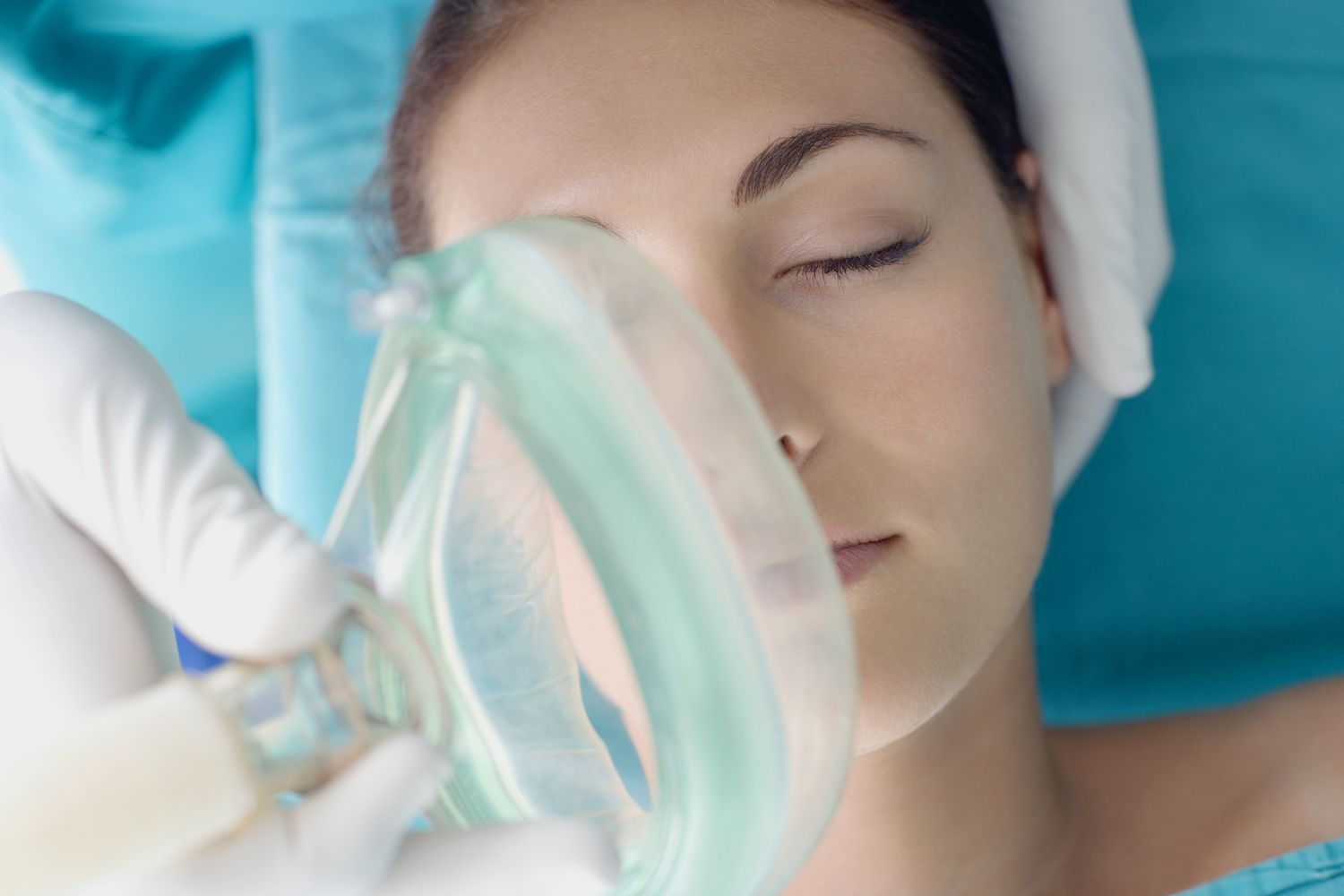
Twilight Anesthesia Details
Procedure Time
Varies based on procedure
Consciousness Level
Semi-conscious, deeply relaxed
Nights In Hospital
Outpatient (No stay required)
Pain And Discomfort
Minimal to none
Risks - Common
Drowsiness, nausea, temporary memory loss
Risks - Uncommon
Allergic reaction, breathing difficulties
Driving
Not permitted for 24 hours
Time Off Work
Varies based on procedure
Alcohol
Avoid for 24-48 hours
Result
A comfortable, calm, and pain-free procedure.
Why Choose Twilight Anesthesia?
Twilight Anesthesia is a popular choice for a variety of reasons, especially for patients undergoing minor surgical or non-surgical procedures:
- You can avoid the side effects of general anesthesia, such as prolonged grogginess and nausea.
- It allows for a quicker recovery and a faster return to your normal routine.
- It provides a deep sense of relaxation, reducing anxiety and making the procedure a comfortable experience.
- You will have minimal to no memory of the procedure itself, which is beneficial for those who are anxious about medical treatments.
- It offers a safer alternative for patients who are not good candidates for general anesthesia.
FREQUENTLY ASKED QUESTIONS – TWILIGHT ANESTHESIA
What is the difference between twilight and general anesthesia?
Twilight anesthesia, or conscious sedation, keeps you in a relaxed, semi-conscious state, where you can still respond to commands. General anesthesia renders you completely unconscious and requires the use of a ventilator to assist with breathing. Twilight anesthesia typically has fewer side effects and a faster recovery.
Is twilight anesthesia safe?
Yes, when administered by a qualified professional, twilight anesthesia is considered very safe. Our medical team closely monitors your vital signs throughout the procedure to ensure your safety and comfort.
What procedures can be performed with twilight anesthesia?
It is commonly used for minor cosmetic surgeries, dental procedures, and other short-duration treatments that do not require full unconsciousness. Examples include liposuction, blepharoplasty, scar revision, and various facial procedures.
Will I feel any pain during the procedure?
Along with twilight anesthesia, a local anesthetic is administered to the treatment area to ensure you do not feel any pain. The twilight sedation is primarily for relaxation and comfort.
How long does it take to recover from twilight anesthesia?
The immediate effects wear off quickly, but you may feel drowsy for the rest of the day. It is mandatory to have a responsible adult drive you home and stay with you for 24 hours. Most people feel back to their normal selves within a day.
RISKS AND SIDE EFFECTS
What are the possible side effects?
Common side effects include grogginess, mild nausea, and temporary memory loss of the procedure. These effects are usually short-lived. Serious complications are rare but can include allergic reactions or respiratory issues.
AFTERCARE
What kind of aftercare is needed?
You must not drive, operate heavy machinery, or make important decisions for at least 24 hours. Avoid alcohol and other depressants. Follow the specific aftercare instructions for your surgical procedure, and rest to allow the effects of the sedation to fully wear off.
Pre-Anesthesia Instructions – Twilight Anesthesia
One Week Before Your Procedure
- Stop taking aspirin, ibuprofen, and other blood-thinning medications as directed by your medical team.
- Avoid herbal supplements that may interfere with anesthesia.
- If you are a smoker, stop smoking as far in advance as possible.
Day Before Your Procedure
- Do not eat or drink anything after midnight, including water, unless otherwise instructed.
- Arrange for a responsible adult to drive you home and stay with you for 24 hours.
Morning of Your Procedure
- Do not apply any makeup, lotions, or perfumes.
- Wear comfortable, loose-fitting clothing with a button-down or zip-up top.
- Remove all jewelry, piercings, and contact lenses.
- Take only approved medications with a small sip of water, if instructed.
Medications & Lifestyle
- Inform your medical team of all medications and supplements you are taking.
- Avoid alcohol for at least 48 hours before the procedure.
- Inform your medical team immediately if you feel ill (e.g., have a cold, flu, or fever).
Post-Anesthesia Instructions – Twilight Anesthesia
Immediate Recovery
- You will be monitored in a recovery area until you are fully awake and alert.
- You may feel groggy, dizzy, or nauseous. These are normal and temporary side effects.
- Do not drive, operate machinery, or make important decisions for 24 hours.
Activity & Lifestyle
- Rest for the remainder of the day. Avoid strenuous activity.
- Resume light activities as you feel able, but listen to your body.
- Follow all post-operative instructions for the specific procedure you had.
Medications & Hydration
- Stay hydrated with clear liquids initially, and then progress to light foods as tolerated.
- Avoid alcohol for 24-48 hours, as it can interact with the lingering effects of the anesthesia.
- Take any prescribed medications as directed, especially for pain management.
When to Call a Doctor
- Contact your medical team immediately if you experience a high fever, severe pain, or difficulty breathing.
- Report any unusual or severe symptoms that you feel are not part of the normal recovery process.
- Your safety is our top priority, so do not hesitate to reach out with any concerns.